
Implementation of an ADA-Aligned Diabetes Self-Management Education and Support (DSMES) Program to Improve Fasting Glucose Levels in Adults with Type 2 Diabetes: A Quality Improvement Project
Student Name
School of Nursing and Health Sciences, Capella University
NURS-FPX9030 Doctor of Nursing Practice 4
Professor Name
Submission Date
The increasing population of adult patients with poorly controlled Type 2 diabetes in the practice site demonstrated that there were still challenges regarding the poor level of self care management skills, the lack of compliance to the recommendations, and poor knowledge of daily lifestyle choices that determine the level of glycemic control. Despite the regular giving of diabetes education by staff during clinical interactions, the short-term interactions were not able to yield any long-lasting effects on the fasting glucose level or general diabetes self-care practices (Nurse Manager, personal communication, October 10, 2025). American Diabetes Association (ADA) notes that, when established in compliance with the ADA guidelines, structured, evidence-based self-management education and support (DSMES) empower a patient with self-care management skills, encourages sustained use, oversees care coordination, changes behavior with behavior-targeted adjustments, and enhances glycemic and clinical outcomes (American Diabetes Association, 2023). The project question was the following population, intervention, comparison, outcome and timeline (PICOT) question: For nursing staff working with adult patients with Type 2 diabetes (P), how the implementation of DSMES, as recommended by the ADA (I), in comparison to current practices (C), affect the fasting glucose levels (O) in 12 weeks (T)? The text below includes detailed information about the adoption of the ADA-compliant DSMES program in the practice site to enhance nursing practice and positively affect the glycemic outcome of patients.
Practice Problem
The acuity of type 2 diabetes was a serious problem in outpatient primary care clinics. The national surveillance data provided by the Centers for Disease Prevention and Control (CDC) revealed that nearly 38% of U.S. adults aged 18 years and above possess high levels of fasting glucose, which exposes them to a high-risk of developing type 2 diabetes unless specific measures are taken (CDC, 2023). An examination of the outcomes of the previous patients on the project site indicated that a number of emergency department visits were based on high levels of fasting glucose (Nurse Manager, personal communication, October 10, 2025). The suboptimal self-care management behavior and follow-up by patients with type 2 diabetes at the project site, led to high levels of fasting glucose (145 mg/dL) that showed poor glycemic control. The American Diabetes Association (2023) states that normal fasting glucose level is at a range of less than 100mg/dl; hence, the current site of 145mg/dL showed poor self management practices that resulted in poor glycemic control as compared to the recommended levels. The existing situation among the nursing staff in the location had not incorporated the DSMES program promoted by the ADA, which would not allow the patient to assume complete control of the situation. Over the last six months, the clinic has treated about 450 adult patients with Type 2 diabetes, and the average level of fasting glucose was approximately 145 mg/dL, which is much higher than the recommended value of less than 100 mg/dL provided by ADA ( Executive nurse, personal communication, October 10, 2025). A consistent high level of patients in such high numbers showed the unsuccessful glycemic control and the necessity of reinforcing the diabetes management behavior at the site. The application of organized DSMES to nursing staff was supposed to lead to the improvement of self-care practices and, consequently, to the reduction of the levels of fasting glucose and the overall glycemic control in 12 weeks.
The consequences of suboptimal self-management of diabetes are spread across several areas of patient health and ineffective screening of people at risk only adds to late diagnoses and treatment. Lamptey et al. (2022) observed that there was a direct relationship between the worse results due to the incapacity of patients to self-manage the glycemic control, and the positive effect of structured DSMES to manage the glycemic level. To healthcare employees and administrators, workflow inefficiencies and poor performance outcomes on key quality measures were a result of the inconsistent adoption of the evidence-based model. Asmat et al. (2024) provided evidence that patient-centered interventions of self-care play a critical role in the enhancement of glycemic control. Nevertheless, there still was a void between current practices in the project site, which did not incorporate the evidence-based practices that have been shown to improve patient outcomes. The existing measures in the clinic demonstrated a necessity to consistently implement an evidence-based model to increase self-care behavior that would result in better glycemic control.
The site had some current strategies that needed improvement to help in self-management behaviors among patients with Type 2 diabetes. The strategies had to be incorporated into the current workflows by training the staff and having compliance reviewed periodically. The research needs to be done with the future in mind to investigate the long-term sustainability of protocol-based diabetes management (Lamptey et al., 2022). The compliance of the project with the principles of CITI ensured ethical data management, patient confidentiality, and compliance with standards provided by the institutional quality improvement. Enhancing these areas increased implementation faithfulness and better self-care results among adult patients with Type 2 diabetes.
The practice problem was caused by the site not adopting, implementing a DSMES program, not having structured follow-up, and inconsistency in nursing documentation regarding diabetes education. The issue was detected with the help of EHR audits, communication with the executive nurses, and trend analysis, revealing consistently high levels of fasting glucose during the 6 months. The identified issue is confirmed by national statistics; the Centers for Disease Control and Prevention (2024b) identified over 37 million Americans with diabetes and almost half of them do not achieve recommended glycemic levels because they do not have sufficient self-management support. In the same way, ADA (2023), Asmat et al. (2024), and Religioni et al. (2025) emphasized that there are many gaps in the implementation of DSMES in outpatient clinics. The literature suggested a national requirement of a structured nurse-led model of DSMES to increase patient engagement, glycemic outcomes, and hospitalization due to diabetes.
Project Site
The setting of the project was an outpatient primary care clinic in a suburban area in New Jersey. The clinic is part of a community network of health, which focuses on providing patients and older adults with accessible, patient-centered care. The clinic has a culturally diverse population with an estimated 5,000 adult patients per year. Some of the services involve routine medical checkups, health education and lab testing. The facility is team based in its model of care that incorporates medical, nursing staff, and administration to promote continuum of care. On average, the clinic has 1520 patients each week, of which about 40% of them have Type 2 diabetes or other metabolic diseases (Executive nurse, personal communication, October 10, 2025). It has three fully equipped examination rooms, a small laboratory with a point-of-care testing facility, and a patient education space with counseling sessions. The interprofessional team comprised of a physician, nurse practitioners, registered nurses, a medical assistant, and a part-time diabetes educator. The electronic health records (EHR) integrated into the clinic helped to implement data-oriented decision-making and continuous quality improvement (QI) efforts.
The primary care setting offered the most suitable setting to apply an evidence-based model. The preventative nature and managing chronic diseases at the clinic was close to the aim of the project of enhancing the fasting glucose levels among adults with Type 2 diabetes. An alternative that can be used is a nurse-led practice model because it provides the benefit of utilizing the knowledge of nurses that is needed to achieve effective management of diabetes (Baek et al., 2023). Budget constraints, in turn, can limit the access to expensive diagnostic resources, which will require effective resource utilization (Mechley, 2021). The nurse-led strategy contributes to the cost-effective implementation and the improvement of self-management behaviors. The specified project was aligned with the mission of the organization, which is to provide patient-centered care of chronic diseases and reinforce the current quality improvement efforts. The last QI initiatives at the site were concerned with medication compliance and lifestyle education, but lacked a systematic framework of DSMES, which did not substantially contribute to a lasting change in glycemic levels. The project provided direct support to the overall strategies of the clinic in population health, quality indicators, and prevention of unnecessary emergency department care through a standardized DSMES protocol.
The former pattern of managing diabetes in the clinic was the infrequent, informal, education opportunities that occurred in the clinic during routine clinic appointments. No particular format was used to administer the education on diabetes to the patients, and this was done on an ad hoc basis at the nurse’s own will without the aid of any given curriculum, frequency of sessions, or record keeping. This practice led to a great deal of variation in the educational process and the engagement of patients, as not all patients received an adequate amount of information to support self-care activities. Also, due to the lack of a follow-up plan for patients, there was no continuous support needed for behavior modification in the population. The practice problem was identified by the review of EHRs, analyzing the trend of the fasting glucose levels during the six-month period, and discussing the issue with both the executive nurse and the nurse manager. The results indicated that approximately 450 patients with Type 2 diabetes had reported a steady level of average fasting glucose over 145 mg/dL as opposed to the desired level of less than 100 mg/dL. The results validated that the current, unstandardized method of diabetes education could not lead to significant or sustained changes in glycemic control, and a systematic, evidence-based framework, DSMES, is urgently required.
Project Population
The definition of who the population of the project is was important so that the intervention to improve quality could be effectively directed and give some meaningful results. In the present project, the nursing staff that takes care of patients with type 2 diabetes in the outpatient primary care clinic served as the project population since the project aimed to enhance the level of competency of the nursing staff in implementing the standardized ADA diabetes follow-up protocol (APRN, personal communication, November 2025). The nursing personnel in the project had diverse education backgrounds, level of clinical experience and professional development experiences; consequently, there was no single general way of dealing with diabetes and at the same time educating patients. A minimum of 10 members of the nursing staff had to take part to determine any meaningful change in the level of competence and compliance with the standardized diabetes follow-up protocol. The comprehensive profile of the nursing staff (premade prior to designing the quality improvement intervention) offered a roadmap to focus on, build, and establish a feasible and competence-based intervention to accomplish quality improvement.
The example by outlining features that the staff in nursing had in common gave the clinical and professional framework to be ready to implement the standardized diabetes follow-up intervention. The sample will comprise registered nurses, licensed practical nurses, and nurse practitioners engaged in diabetes management, education of patients, and coordination of care. The nursing staff were excluded if they lacked a valid RN/NP license, were not engaged in any form of direct patient care, were engaged in administrative activities, or were inaccessible to participate (APRN, personal communication, November 2025). Nursing staff members demonstrated different levels of confidence, knowledge, and adherence to the existing protocols in diabetes management before the intervention, which means that the level of competency of 59% at pre-intervention showed that there was a strong necessity for an integrated, structured educational program (APRN, personal communication, November 2025). The multi-disciplinary nursing team that completed the structured competency development program consisted of three nurse practitioners, two medical assistants, one care coordinator, and one health educator. The common professional attributes of the nursing staff provided a good foundation over which a quality improvement program could be formulated on the basis of the ADA follow-up protocol intervention.
By defining the inclusion and exclusion criteria of the nursing staff to be included in the project, the project was able to keep a population focus so that the contributions made to the project regarding glycemic outcomes would be within the improvement objectives. The project inclusion criteria were registered nurses, licensed practical nurses, and nurse practitioners who were involved in the management of diabetes, patient education, and care coordination. (APRN, personal communication, November 2025). Besides all the above roles, the nursing staff should also be actively employed at the project site for the entire eight weeks of the implementation period and also actively at the project site to carry out responsibilities of the clinical provider, which directly connects to the objectives of the ADA follow-up protocol. Nurse staff that worked in administrative and support roles, as well as nursing staff that worked in temporary and/or short-term roles were not included in the project. The inclusion criteria and exclusion criteria of the project seriously enhanced the internal validity of the project and that the findings of the structured intervention would accurately represent the impact of the structured intervention on the nursing population aimed at participating in the project.
Evidenced-Based Interventions
Intervention based on evidence can help adults with Type 2 diabetes enhance their self-management of diabetes and glycemic control. The main project intervention was the application of the DSMES program in ADA to enable nurses to enhance self-care skills and be able to manage their fasting blood glucose levels (American Diabetes Association, 2023). DSMES is a structured and evidence-based model, that is intended to make sure that people have access to information and competencies that help them cope with diabetes. The individualization, patient-centered goal setting, sustained support, and behavior change approaches are the main principles applied in the program (American Diabetes Association, 2023). Implementation of DSMES principles in the daily nursing practice has been reported to have a tremendous positive impact on the documentation of self-management needs and the involvement of patients in the management of diabetes (ElSayed et al., 2023). The intervention process involved two weeks of training (weeks 1-2), the combination of the workflows, and the identification of the patients to be prepared to be standardized. Weeks 3-6 consisted of delivering the intensive DSMES, which was organized in accordance with the guidelines suggested by ADA, which focused on the education of the patients and setting goals for them. Weeks 7-10 were used to reinforce the program, and the patients were allowed to become independent, and follow-up would be performed by in-person or telehealth visits. Weeks 11- 12 involved an evaluation of the effectiveness of the intervention. The structured intervention included coordination of teams, standardized education of patients, and regular follow-up plans to ensure continuity of care and to aid in a behavior change. The strategy directly tackled the key practice gaps that were evidenced at the project location, especially the elevated levels of fasting glucose of approximately 145 mg/dL, as well as encouraging a model of managing diabetes in the primary care unit that enhances the outcome and minimizes the risk of developing complications associated with diabetes.
The multidisciplinary collaboration, standardization of workflows, and training of the staff in a uniform manner supported the implementation of the DSMES principles. The multidisciplinary implementation process involved collaboration among the nurses, nurse practitioners, and the diabetes educator in ensuring that the care delivery is consistent, that the standardized DSMES workflows in the form of checklists and templates are used in delivering education in each encounter with the patients, and formal training of the staff to ensure that they align with the DSMES principles. The results of a meta-analysis conducted by Romadlon et al. (2024) indicated the application of DSMES interventions that involved patient-centered programs, which involved diabetes education on diet and medication adherence, blood glucose monitoring, and physical activity, as well as behavioral counseling, goal-setting, and constant follow-up support provided through a session of one-on-one or group sessions with trained healthcare workers. The interventions led to a decrease of 0.61% in HbA1c and 23.33 mg/dL in fasting blood glucose as compared to usual care. Likewise, a meta-analysis by Chowdhury et al. (2024) revealed that DSMES programs enhanced self-care behaviors and glycemic control of patients with an average HbA1c reduction of 0.64 and a reduction of more than 1 mmol/L in fasting blood glucose in low- and middle-income locations. Moreover, the randomized controlled trial provided by Ibrahim et al. (2025) has shown that the DSMES program, when implemented in 12 weeks, has a significant impact on the level of self-efficacy and self-management behavior in patients, and significantly increases the number of patients with controlled fasting blood glucose relative to standard care. Altogether, the studies presented strong empirical evidence in support of the notion of implementing an evidence-based system of DSMES into nursing practice, which leads to better self-care practices and results in better glycemic control in adults with Type 2 diabetes.
The educational aspect of the intervention was a series of structured DSMES sessions conducted by nursing personnel that trained in ADA-approved materials and patient-centered communication. The intervention was made up of weekly sessions of 30 to 45 minutes that were conducted for 12 weeks, whereby each of the sessions was held according to a fixed curriculum. The topics on diabetes disease overview, risk factors, dietary control using carbohydrate counting and meal planning, drug administration, and glucose monitoring were included in the sessions. Standardised DSMES protocols help train the staff to be more consistent in recording the self-management requirements of the patients and increase patient involvement in diabetes management (Ernawati et al., 2023). Likewise, a study by Romadlon et al. (2024) and Chowdhury et al. (2024) demonstrated that DSMES behaviour modification-based, medication adherence, and lifestyle coaching interventions raise self-efficacy of patients and enhance glycemic control with decreased HbA1c and well-controlled fasting blood glucose. The DSMES sessions included active learning on nutrition, glucose monitoring, exercise/sports, goal setting and progress tracking, supported by the electronic health records to guarantee continuity of care. In comparison, the results presented by Ibrahim et al. (2025) indicated that the better the attendance and active participation in the DSMES sessions, the better the physical and emotional health outcomes, as well as the control over the levels of fasting blood glucose. The results described the tremendous significance of culturally sensitive education and follow-up to maintain an engagement. The nursing-led DSMES model gave adult patients with Type 2 diabetes the power to enhance self-management behaviors, which resulted in enhanced fasting glucose levels and overall glycemic control.
The literature review conducted a holistic review of the literature that supported DSMES as one of the most evidence-based interventions to improve the glycemic result and fasting glucose level. Plazas et al. (2023) have shown that structured DSMES interventions have a significant positive impact on HbA1c, fasting glucose, and self-efficacy in a wide range of populations. Nevertheless, Bekele et al. (2021) have validated the decreases of HbA1c by 0.5 to 1.4% after participation in DSMES. As well, models of patient-centered education including cultural customization, long-term follow-up, and setting behavioral objectives always, bring positive results (Bekele et al., 2021). The findings identified are in line with ADA (2023), which suggests DSMES during diagnosis, once a year, when problems, and during transitions of care. The literature was unanimously in that DSMES was a viable scalable strategy to enhance glycemic control in outpatient primary care.
Project Leader Role
The learner, as the lead of the scholarly project, offered operational and clinical leadership to follow the evidence-based standards of the implementation of the DSMES intervention and align it with the project goals. The learner was supposed to organize all activities related to DSMES such as staff training, competency checks, workflow standardization and data management. Based on evidence-based practices, DSME structured programs that use standardized curriculum, competency validation and evaluation have been concluded to be effective in enhancing patient outcomes (American Diabetes Association, 2023). Prior to the enrollment of patients, the learner supported structured DSMES training of nursing staff and supporting team members and ensured competency with standardized approaches, such as return demonstrations. Competency checking was also performed to verify that employees were able to recognize potential patients according to predefined EHR requirements and provide them with DSMES sessions according to standardized curriculum modules of ADA Life with Diabetes. As well, employees were evaluated based on their skill in implementing patient-centered communication interventions and recording encounters with the use of accepted DSMES templates. Pre-independent session delivery validated staff competency, and periodically reassessed it to maintain consistency and sustainability. The learner affirmed that the sessions of DSMES follow common protocols of delivery that are presented in terms of sequence of sessions, contents covered, goal establishment and post session procedures. The ethical accountability in the training requirements of CITI, documentation accuracy, and data integrity all through the implementation period. The learner performed weekly reviews of the workflow, EHR audits and team huddles to evaluate the compliance with the protocol, detect deviations and take corrective measures when necessary. The feedback and implementation issues of the staff were reviewed systematically and oriented into the continuous quality improvement processes.
Effective leadership and well-defined implementation systems are the keys to making evidence-based clinical interventions successful. It was evidenced that active project leadership with verification of competence, organization, and constant observation can significantly enhance the effectiveness and fidelity of interventions in the process of diabetes self-management education (Ernawati et al., 2021). With the ongoing engagement of leadership, effective communication, and systematic monitoring procedures, the learner kept implementation on track, intervention delivery consistent, and data gathered to be used in clinical practice. The leadership and competency verification framework offered a scalable framework that can be applied in other outpatient and primary care environments with the implementation of DSMES interventions.
To achieve success in the DSMES intervention, stakeholder engagement was essential. The internal stakeholders were nurses, nurse practitioners, physicians, medical assistants, the diabetes educator, clinic administrators, and quality improvement personnel. The identified individuals were involved in the form of presenting DSMES material, performing patient identification, setting the schedule, recording the sessions, data monitoring, and administrative logistics support. The internal stakeholders were supposed to comply with the new working practices, engage in training, follow standardized document procedures, and have the immediate benefits of the project in terms of changes in how visits will be organized, how much attention will be paid to patient education, and how many responsibilities associated with follow-up communications. It has been observed that involving internal stakeholders in organized diabetes measures can enhance the fidelity of their implementation, staff compliance with standardized practices, and patient-focused results in chronic disease care (Silva et al., 2022). External stakeholders comprised adult patients receiving DSMES, relatives leading self-management support, and partners in the community helping to expand diabetes sources. Changes in communication approaches, the way of education, and the availability of formal support strategies influenced the identified stakeholders, and engagement and satisfaction were the main indicators of intervention acceptability and sustainability. Structured diabetes education programs involving external stakeholders, such as patients, families, and community partners, have been linked to the enhancement of self-management behaviors, increased satisfaction, and the sustainability of the intervention effects (Ernawati et al., 2021; Asmat et al., 2024). The evaluation plan included the monitoring of patient satisfaction and perceived usefulness of DSMES.
Role of Other Team Members
The interprofessional team that supported the DSMES intervention was well defined, with clearly defined roles that ensured efficiency and coordinated intervention. Registered nurses provided DSMES modules, determined patient learning requirements, facilitated specific, measurable, achievable, realistic, and time-limited (SMART) goal setting, and recorded all interactions in standardized templates. Clinical oversight of the use of DSMES was done by nurse practitioners and physicians to ensure that the recommendations of the DSMES aligned with individualized treatment plans and clinical guidance on medical concerns that emerged during the intervention. EHR-based patient identification, scheduling DSMES sessions, and follow-up coordination were managed, as well as aiding data collection procedures, by medical assistants. It has been linked to better self-management behavior, satisfaction, and sustainability of intervention outcomes when external stakeholders (patients, families, and community partners) are involved in organized diabetes education programs (Ricci et al., 2023). The diabetes educator also offered complex case counseling and assisted nursing personnel to reach their patient engagement objectives. The quality improvement coordinator helped in managing data, ensuring the reliability of the outcome measures, and also keeping track of compliance with the improvement processes. The clinic administrator facilitated the availability of resources, logistics of scheduling, communication, as well as workflow adaptation. The application of interprofessional roles to diabetes educators, quality improvement coordinators, and administrators has proven to be effective in improving the effectiveness of the programs, patient outcomes, and continuity in following evidence-based diabetes management protocols (Ernawati et al., 2021). The involvement of the interprofessional team in a well-defined set of tasks allowed the project to achieve a coordinated implementation, reduce redundancy, and bring the combined experience needed to produce the desired changes in the self-management results of diabetes.
Literature Synthesis
The search strategy used in the literature search aimed at determining the high-quality evidence of DSMES interventions and glycemic control in Type 2 diabetes adult patients. The project PICOT question was as follows: How does the implementation of DSMES proposed by the ADA (I) versus the current practices (C) in terms of the levels of fasting glucose (O) in the 12-week period (T) in nursing staff who work with adult patients with Type 2 diabetes (P)? Electronic databases were searched through Cumulative Index of Nursing and Allied Health Literature (CINAHL), PubMed, MEDLINE, Cochrane Library, and ProQuest Nursing and Allied Health, as they are the databases that provide broad coverage of the nursing, medical, and interdisciplinary literature. The search terms consisted of Type 2 diabetes, DSMES, Diabetes self-management education, fasting blood glucose, glycemic control, and nursing interventions with the MeSH terms: Diabetes Mellitus, Type 2, Self-management, Patient Education, and Blood Glucose. Search results could be combined, expanded, and refined using the Boolean operators (AND, OR, and NOT), increasing the relevance and specificity of the studies retrieved. The inclusion criteria comprised peer-reviewed publications (2022-2026), English, an adult population with Type 2 diabetes, and studies comparing interventions of DSMES with ensuing glycemic levels. The exclusion criteria were limited to pediatric populations, articles published earlier than 2022, and those that do not discuss DSMES or glycemic outcomes. Out of the 350 possible sources, 330 were eliminated as irrelevant to the PICOT question or duplicates. The 20 articles picked were read in full text to evaluate the details.
To answer the PICOT question, a review of 20 articles was carried out in a comprehensive manner. An evaluation framework was used to critically evaluate the quality, design, and findings of the respective studies. The evidence was further divided based on the strength of recommendation taxonomy (SORT) model to identify the level and consistency of the evidence. Several studies demonstrated that interventions involving DSMES have a significant positive effect on glycemic control, i.e., a decrease in the level of fasting blood glucose and HbA1c (Bekele et al., 2021; Chowdhury et al., 2024; Romadlon et al., 2024). Structured DSMES programs delivered resulted in improved self-efficacy, medication adherence, and lifestyle behaviors with consequent better clinical outcomes (Ibrahim et al., 2025; Plazas et al., 2023). All pertinent findings in the study were pooled together to illustrate the idea that regular use of DSMES in nursing practice improves patient engagement, inculcates long-term self-management behaviors, and reduces long-term fasting glucose levels significantly.
Analysis of Evidence
The literature review on the implementation of programs has been done, covering 20 peer-reviewed studies. The themes corresponded with regular signs of evidence on how to improve glycemic control, self-management behaviors through improvement of nursing practice, continuity of care, and interventions based on culture. The reviewed literature comprises randomized controlled trials and systematic reviews (Level I) that were well-designed studies with strong, high-quality evidence to support the effectiveness of DSMES interventions. The other studies were quasi-experimental and cohort studies (Level II and III), which yielded moderate to supportive evidence. Mixed-method studies contributed to further patient experience, engagement, and behavioral outcomes, and qualitative results complemented the comprehension of the barriers and facilitators to the adoption of DSMES. The five key themes identified by the evidence were:
Theme 1: DSMES Improves Glycemic Control
Strategized DSMES programs proved to be effective in enhancing glycemic outcomes in Type 2 diabetes patients among adult population as a result of better knowledge of the disease, behavioral modification, and adherence to self-care. Chowdhury et al. (2024) find that the post-implementation fasting blood glucose level and HbA1c level decrease was significant with the help of organized DSMES plans that considered the dietary and medication compliance and regular measurements of the glucose level. The results were comparable because teaching on diabetes focused on individual needs and continuous nursing care by Romadlon et al. (2024) resulted in an improved glycemic control and a reduced number of hyperglycemia episodes throughout the intervention. Also, Ibrahim et al. (2025) revealed that patients with ADA-congruent DSMES had a better metabolic outcome as compared with a control group and that there was a significant reduction in fasting glucose therefore due to a better self-management competency. Evidence of the efficacy of multidisciplinary models of DSMES delivery was further confirmed by Plazas et al. (2023), who revealed superior glycemic control in case of structured education that would be integrated into the routine outpatient care. Also, Bekele et al. (2021) discovered that structured diabetes education was connected to a significant correlation rate regarding enduring glucose regulation across different clusters of patients. All this evidence proves that DSMES is a crucial evidence-based intervention in terms of maximizing the glycemic levels, reducing the concentration of fasting glucose, and controlling diabetes over the long-term in nursing practice environment.
Theme 2: DSMES Enhances Patient Self-Management Behaviors
Effective self-management behaviors are one of the most important results of implementation of the DSMES in the adult population with Type 2 diabetes. The data presented by Adamu et al. (2025) aligned with an overall positive impact of structured DSMES on medicine and dieting adherence, active skin exercise, resulting in enhanced patient responsibility towards managing the disease. Similarly, ElSayed et al. (2023) also suggested that the education on diabetes improved the knowledge of the patient when it comes to the habits of glucose monitoring and the ability to detect the symptoms, and, last but not least, confidence in his/her ability to make self-care decisions. Moreover, Ernawati et al. (2023) revealed that the behavioral aspects of the lifestyle change and self-monitoring practices of patients in the group of DSMES were more consistent in comparison with individuals who were educated regularly and had no additional intervention. In comparison, Ory et al. (2025) discovered self-efficacy as an important mediator when it comes to long-term behavior change since sustained educational support correlated with better long-term adherence to diabetes management interventions. All data gathered during the studies were geared towards the conclusion that DSMES can assist patients in feeling empowered by learning more about the disease, behavioral competence, and self-esteem regarding the day-to-day activities in dealing with diabetes. The results summarized confirm the conclusion that diabetes education can be structured in such a way that sustainable self-management behaviours can be provided to achieve better metabolic and clinical outcomes.
Theme 3: Nurse-Led DSMES Improves Patient Outcomes
The nursing leadership has a significant role to play in the implementation and success of the DSMES interventions to both outpatients and primary care settings. Chen et al. (2025) found that nurse-led DSMES had a great effect on HbA1c and patient medication and follow-up adherence; with regular education and tailored personal counseling, the nurse-led program resulted in a marked reduction in the level of HbA1c. Similarly, Dailah (2024) found that nursing involvement was an important predictor of patient engagement and revealed that the existence of structured interactions between nurses and their patients led to a better understanding of diabetes management and how to establish useful therapeutic relations. Another study by Meekaew et al. (2025) also explored the effects of nurse-delivered interventions in their DSMES form to increase motivation towards the illness, following self-monitoring behaviors, and adherence to lifestyle that resulted in a significant difference in glycemic control. Furthermore, Tamiru et al. (2023) commented on comparable observations regarding the importance of nursing competency in delivering culturally-specific education on diabetes and reinforcing behaviour change during the routine care meeting as well. Demonstrations in studies showed that nurses were key agents of patient education, continuity, and adherence/reinforcement in the process of implementing DSMES. The literature supports the discussion, which suggests that the intervention in the form of DSMES carried out by nurses is associated with an improved clinical outcome as it results in improved patient engagement, increased self-management practices, and compliance with the application of evidence-based approaches to managing diabetes.
Theme 4: Structured DSMES with Follow-Up Improves Long-Term Outcomes
The combination of the structured DSMES programs with the continuous follow-up and continuity of care is robust in maintaining glycemic enhancement among adults with Type 2 diabetes. An et al. (2023) concluded that the level of follow-ups with patients after the initial session of the DSMES activity enhanced adherence to the dietary recommendations, glucose monitoring, and medication adherence levels in the long run. Moreover, Lalani et al. (26) also demonstrated that patients who received continuous reinforcement and scheduled follow-up with nurses demonstrated significantly greater improvements in their HbA1c and fasting glucose levels in comparison with the patients receiving isolated educational sessions. Similarly, Patandung and Glorino (2025) mentioned continuity of support as a major priority that needed to be set concerning long-term behavior change, with Frequent education and counseling raising long-term patient motivation and self-efficacy. In addition, Valverde et al. (2025) also emphasized that structured follow-up activities not only reduced the proportion of care fragmentation but also enhanced the responsibility of patients to the management of chronic illnesses. The results of many studies have been consistent with this, indicating that solo educational interventions do not have as long-term impacts as those of ongoing monitoring, reinforcement, or the participation of the nurses. The results constructed support the conclusion that structured DSMES in the presence of continuous follow-ups can help to extend glycemic stability, adherence behaviors, and extend the sustainability of diabetes self-management practices.
Theme 5: Culturally Tailored DSMES Improves Engagement and Outcomes
Interventions to attend to cultural differences, specifically DSMES, increase patient involvement and engagement as well as glycemic outcomes because diabetes education is tailored to cultural beliefs, health literacy, and the individual needs of the patients. Abu and Llahana (2025) demonstrated that interventions based on culturally adapted programmes of DSME helped patients to be more aware of changes in their diet and intake of medications, which had a positive influence on patient attendance and metabolic outcomes in a large population sample. In addition, Bekele et al. (2022) discovered that communication between healthcare practitioners and patients using culturally sensitive education programs became more effective, and trust and compliance rates of patients towards diabetes management strategies improved. Similarly, Ehrhardt et al. (2023) discovered the use of language-specific educational material and tailored counseling strategies as pertinent variables in the promotion of self-management procedures and glycemic control. In addition, Goff et al. (2025) also noted that the DSMES that is patient-centered with an emphasis on cultural preferences and socioeconomic barriers increased attendance, engagement, and continuity of care in underserved populations. The literature has always demonstrated that patient-provider relationships were improved, barriers to participation were removed, and adherence to recommended diabetes management behaviors was improved with culturally responsive DSMES. The synthesized findings support exploring the implementation of culturally tailored educational methods within nursing practice to ensure that such interventions are more accessible, fair, and effective in the long-term with different groups of patients.
Synthesis of Findings
Type 2 diabetes mellitus has remained among the top chronic health diseases that have increased morbidity, mortality, and an overall high cost of healthcare across the world. One of the causes that led to complications was continuous hyperglycemia, and they comprised cardiovascular disease, nephropathy, neuropathy, and retinopathy, which would make patients and health services ill-burdened. Long-term lifestyle modification, adherence to medication, frequent checking of glucose, and patient communication are key to successful diabetes management. ADA-approved DSMES programs have developed into evidence-based interventions to increase patient knowledge, bolster self-management behaviours, and improve glycemic outcomes. The literature review has looked into the effectiveness of structured DSMES interventions in people with Type 2 diabetes, especially its impact on the extent of fasting glucose, self-management, nursing intervention, continuity of care, and culturally-sensitive interventions. The types of sources were randomized controlled studies, systematic reviews, quasi-experimental studies, cohort studies, and mixed-method studies that were released during the period 2022-2026.
The optimal result that was reported throughout the literature was glycemic control improvement. A number of studies indicated that structured DSMES intervention was significant, in contrast to conventional care, in the reduction of fasting glucose levels as well as HbA1c values in adults with Type 2 diabetes. Chowdhury et al. (2024) and Romadlon et al. (2024) reported statistically significant improvements in fasting blood glucose levels and an increase in medication adherence with the implementation of a structured diabetes education program and introduction of individualized DSMES, respectively, and the improvement of glycemic stability, respectively. However, Ibrahim et al. (2025) also found that interventions made ADA-congruent with DSMES had an increased impact in reducing the levels of fasting glucose compared to the standard care measures, which proves that the standardized educational procedures became the key to producing homogeneous outcomes of diabetes management. With emphasis on the studies, when a positive result was observed in glycemic control, variations were observed in the intensity and time of interventions. In comparison with Bekele et al. (2021), Plazas et al. (2023) found significant differences in changes in the presence of DSMES in multidisciplinary outpatient care models, and minor differences in the presence of single educational sessions without any follow-up support. Overall, the findings revealed that sustained and long-lasting glycemic control can be more effectively achieved when sustained, systematic, and interdisciplinary DSMES interventions are carried out as opposed to short-term and weakly supported interventions in the form of education.
Another theme that was found to be significant in the literature was enhancement of patient self-management behaviors. The importance of DSMES interventions in improving the self-management ability of patients in relation to medication adherence, nutrition and exercise, as well as blood glucose levels, was emphasized in various studies. The studies by Adamu et al. (2025) and ElSayed et al. (2023) have also demonstrated that structured DSMES interventions enhanced the level of medication adherence and dietary compliance and have shown that diabetes education may enhance patient knowledge in self-care choices and methods of monitoring glucose. Although processing of encouraging behavior change was continually dominant with the use of DSMES, the studies were not uniform in the manner in which they ensured adherence. Moreover, Ernawati et al. (2023) found the significance of motivational support and recurrent education in intensifying the transformation in long-term behavior, but Ory et al. (2025) found that self-efficacy is the primary mediator affecting long-term participation in the process of diabetes control activities. Mixed-method studies provided another insight into the attitudes of patients, and they discovered that emotional support, individualized education, and shared goal-setting were important factors in patient adherence behaviors on a long-term basis. There were also variations in terms of obstacles towards effective self-management. Health literacy barriers, socioeconomic barriers, as well as lack of consistency in adhering to prescribed diabetes management behaviors are some of the reasons given in some of the studies as having contributed to low adherence to prescribed diabetes management behaviors.
The literature reviewed indicated that participation and nursing leadership of the effectiveness of DSMES were critical. In most studies, the main roles of the nurses were noted in the area of patient education, compliance, and reinforcing behavior change and continuity of care coordination. Chen et al. (2025) revealed that nurse-animated interventions with respect to DSMES significantly lowered the degree of HbA1c and improved patient engagement because of individualized counseling and routine follow-up. However, Dailah (2024), who also conducted the same study, discovered that nursing communication and instruments of therapeutic relationships were among the most crucial factors that led to enhanced patient understanding of the ways of managing diabetes. Methods of the research were very divergent in measuring nursing involvement. Glycemic outcomes were frequently used in response to nurse-led education in randomized controlled trials but were qualitative in nature, such as patient satisfaction, quality of communication, and trust of healthcare providers. Compared to other alternatives, Meekaew et al. (2025) found that relative to patients who received education programs based on the physician alone, patients who received nurse-based DSMES programs had more motivation and also had more consistent self-monitoring behaviors. In addition, Tamiru et al. (2023) also emphasized the importance of interventions that are culturally correct in promoting patient engagement and adherence across various groups. Despite the abundance of evidence on the topic of nurse-led DSMES, some of the studies reported barriers to its implementation that impact the effectiveness of the program.
The continuity of care and follow-up services as an aspect went on to become a trend in the literature. The findings of a considerable number of studies revealed repeatedly that the long-term glycemic effects obtained could be closely improved with the help of continuous reinforcement and systematic observation compared to the solo educational methods. An et al. (2023) affirm that patients who had follow-up meetings planned following the engagement in the first round of DSMES were more adherent to medication adherence, food habits, and glucose monitoring habits. In the same light, Lalani et al. (2026) also demonstrated that, in the long term, there were sustained positive changes in fasting glucose levels and HbA1c levels because of the uninterrupted nursing follow-up. Study comparison revealed that there were variations in the adopted delivery modes to guarantee continuity in care. Face-to-face counseling, telephone follow-up, and telehealth via websites were utilized by other interventions to obtain education. However, Patandung and Glorino (2025) defined that continuity of behavioral reinforcement was known to boost long-term patient motivation and adherence, but Valverde et al. (2025) determined that continuity of care reduced the effects of fragmentation and maximized patient accountability in chronic disease management programs. The studies that used longer periods of the intervention were more inclined to describe sustainable changes in glycemic responses compared to short-term interventions through the use of educational programs. Nevertheless, convergent evidence throughout the body of research supported the discovery that structured follow-up and continuity of care remain essential aspects of successful implementation of DSMES and lifetime management of diabetes.
Implementation Plan
The DSMES intervention was structured, sequential, and aimed at ensuring fidelity, consistency, and replicability of the intervention throughout the clinical setting over 12 weeks, including 2 weeks of planning and preparation, 8 weeks of active implementation, and 2 weeks of data collection and analysis. The DSMES strategy was adopted as an overall strategy for all 12 weeks, involving not just education but behavior support, monitoring, and follow-up as well. The first stage of preparation, which included weeks 1-2, involved staff training, incorporation of workflow, and patient identification to ensure readiness to implement it. This was achieved by means of standardized training, where all the team members were trained about the ADA DSMES standard, documentation procedures, and roles before recruiting patients. The standards for DSMES offered by ADA ensure that there is an evidence-based model that will ensure that diabetes education is patient-centered and culturally relevant. Documentation practices involve documenting client encounters, individualized goals, clinical indicators, and follow-up outcomes regularly in the electronic medical records (Davis et al., 2022). The process is meant to foster continuity of care, allow for effective monitoring of clients’ progress, and facilitate quality improvement and evaluation of the program. Nurse practitioners, nursing staff, nurse assistants, and diabetes educators attended formalized in-service trainings on the following ADA-appropriate core elements of DSMES. The components of DSMES include important self-management areas such as healthy diet, physical activity, proper medication use, glucose testing, problem-solving, risk reduction, and healthy coping skills (Davis et al., 2022). There was also training on ADA standards of care that are currently in use, role-specific tasks in the workflow of the DSMES, and how self-management would be integrated into the normal clinical interaction (Centers for Disease Control and Prevention, 2024a). In order to enhance sustainability and reproducibility, employees were taught in stages about standardized methods of EHR documentation such as using DSMES templates, monitoring patient goals, and regular recording of glycemic indicators and follow-up visits. Learning was supported by interactive case scenarios, workflow simulations, and competency checks to ensure preparedness prior to patient enrolment. The trained model of multidisciplinary team training has provided a common conceptualization of the delivery of DSMES, enabled interprofessional collaboration, and developed a scalable model that can be easily adapted and applied to other primary care settings (ADA, 2023; ElSayed et al., 2023). The initial step allowed all staff members to successfully complete a competency test on the curriculum and the work processes related to the intervention, which is paramount to the implementation remaining faithful (Silva et al., 2022). After training, adults with Type 2 diabetes were selected based on weekly EHR reports on the diagnosis code and recent fasting glucose values (using the diagnosis codes and the medical assistant prepared the reports); and the project lead confirmed eligibility of eligible adults using preset inclusion and exclusion criteria.
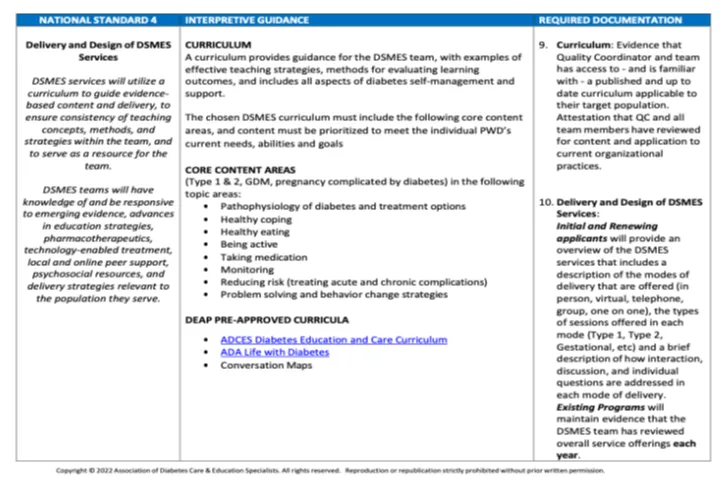
After preparation, the DSMES program was implemented completely in weeks 3-10 as a part of a continuous, integrative care process. Following enrollment, patients underwent a standard four-week DSMES program, which was accomplished by trained nursing staff through ADA Life with Diabetes. In the 3-6 weeks, an already developed curriculum, endorsed by the Association of diabetes care and Education Specialists (ADCES) and based on the DSMES toolkit, was applied (ADCES, 2022). The curriculum ADA Life with Diabetes can be found in Appendix B. Every session was based on a scripted module with clearly stated learning goals, essential points of the teaching session, interactive experiences, and documentation needs to ensure fidelity and reproducibility (ADCES, 2022). Nonetheless, the DSMES program was not limited to education; it incorporated ongoing goal setting, behavioral therapy, glucose monitoring assistance, and clinical follow-up during the entire implementation period. DSMES sessions were implemented via a hybrid approach using both face-to-face and telehealth appointments to eliminate barriers to access and ensure continuity of care. The sessions were conducted with the help of standardized teaching resources, patient handouts, and goal-setting worksheets incorporated into the EHR by nursing staff. Patients were actively involved in the development of personalized goals, techniques of self-monitoring glucose levels, and problem-solving approaches for problems with the management of self-care. The weekly review of progress on behavioral objectives and glycemic indices was discussed and recorded on standardized DSMES forms.
The model promoted uniform application across environments, culturally responsive care, and was in line with the standards of DSMES. (Davis et al., 2022). A scalable, evidence-based framework is offered by the use of an ADCES-approved curriculum, i.e., ADA Life with Diabetes (ADCES, 2022). The framework is easily applicable to other primary care settings that aim to enhance glycemic control and self-management outcomes of diabetes in Type 2 diabetes patients (ADCES, 2022). At the end of every session, a SMART goal development, which was individualized, was done to facilitate patient engagement. In weeks 7-10, the rate of intensive education declined, as the focus turned towards reinforcement, independence, and problem-solving for the patients. The follow-ups occurred once every two weeks or according to need, allowing the patient to practice his learned actions and providing him with organized intervention. During this time, the areas of concern among the healthcare professionals were to determine the progress of the patient and reinstate the behavior of the patient in adherence. The patients were made independent, and they actively participated in the management of their diabetes, but at the same time, they could depend on the assistance of healthcare professionals. Allowing weekly follow-up, which was completed either at a physical or telehealth visit, strengthened learning and monitored goal progression, and monthly reassessment of fasting glucose provided early clinical indicators to inform successive improvements. The final phase, which was weeks 11-12, saw the change of the emphasis to evaluation and outcome measurement. The level of blood sugar in fasting conditions and other clinical variables were once more assessed to identify how successful the intervention was. Finally, patients participated in follow-ups wherein their behavior change, goal setting, and other problems were discussed to facilitate continuity of management of diabetes. In general, the DSMES intervention was a holistic, long-term care model that was given throughout the entire 12-week period, comprising structured education, behavioral support, clinical monitoring, and follow-up. There is evidence to suggest that well-organized periods of DSMES intervention can result in significant changes in self-management behaviors and glycemic outcomes of patients, such as the decrease of fasting blood glucose and HbA1c levels, when conducted by trained healthcare personnel in a consistent manner and supported by follow-up (Knight et al., 2022). All DSMES encounters, goals, and assessments will be recorded in a standardized EHR template and subsequently reviewed regularly to guide continual progress. An active project was kept on track by holding stakeholder huddles and monthly review meetings to review compliance, determine process impediments, and change strategies as formative data became available.
The collaboration with the preceptor also offered critical clinical direction, operational understanding, and organizational congruency during the course of implementation. The discussions between the learner and the preceptor every week allowed the learner to discuss the implementation progress and the challenges faced by the staff, the accuracy of documentation, and the need to make mid-course adjustments. The preceptor facilitated the incorporation of the DSMES workflow into the existing clinical activities through the guidance of role definitions, visit scheduling, and integrating it with the existing care processes. Operational directions encompassed staffing and resource limitations, streamlining clinic traffic, and administrative communication among nursing personnel, administrators, and management. The preceptor also enabled the escalation of system-level problems, which could impact viability or sustainability. Patient attendance, session attendance, and preliminary glycemic indicators were formative data to monitor intervention performance that was reviewed jointly. The preceptor also helped the learner to analyze the data and guarantee that the mid-course changes do not contradict ADA standards, evidence-based protocols of DSMES, and site capabilities. According to Knight et al. (2022), intervention fidelity and evidence-based practices increase when implemented through collaborative preceptor oversight, and the quality of problem-solving improves in complex clinical settings. The formalized learner and preceptor relationships optimized the academic rigor and feasibility of the real world and offered a scalable oversight framework to facilitate successful DSMES programs in primary care environments.
Conceptual Model
The plan-do-study-act (PDSA) model is a paradigmatic framework of quality improvement that enabled teams to implement changes in every real clinical setting using speedy and repetitive cycles. The model started with the plan phase, during which the aim of improvement was defined, predictions on the same were made, and data collection methods were outlined. The do phase involved the implementation of the intervention on a small scale. The study phase entailed the analysis of the data collected and comparison of results to forecasts made in the planning phase. Lastly, the act stage held the results of the intervention as to whether the intervention should be implemented as it is, revised, or discontinued (Bechtold and Kome, 2025). It was a cyclical model, which allowed teams to refine and to respond to barriers and workflow challenges or unpredictable outcomes fast by teams. The PDSA cycle is well known due to its flexibility, feasibility, and capacity to aid evidence-based, gradual advances in healthcare delivery.
Each step of the interventions of the DSMES was organized using the PDSA framework. During the plan phase, the project team completed changes in workflow, setting outcome goals (such as decreasing mean fasting glucose to less than 130 mg/dL), developing patient education resources, and educating personnel via ADA-aligned DSMES modules. In the do stage, the DSMES was launched, where qualified patients were selected with the help of EHR reports, and staff administered standardized education sessions and documented every encounter with the help of the structured DSMES EHR template. During the study period, the values of fasting glucose, self-management scale, and documentation adherence were checked at biweekly intervals to determine whether the early tendencies indicate improvement. The lead and the preceptor looked at the deviations, barriers, or workflow inefficiencies and compared the findings with the expected results set at baseline. It has been demonstrated that the PDSA cycle would increase intervention fidelity and hasten quality improvement because it allows the teams to test interventions in small iterative steps and refine processes using real-time performance data (Turner et al., 2022). Lastly, during the act stage, required changes, including scheduling changes, documentation assistance, or time of session, were implemented before beginning a new cycle. The specified iterative strategy made sure that the DSMES intervention would be increasingly efficient, more patient-centered, and more in line with the functioning of the clinic.
PICOT question in the project was: Could implementation of DSMES in adult patients with uncontrolled Type 2 diabetes lower fasting blood glucose levels in 12 weeks? The PDSA model positively aligned with the purpose by offering a framework to implement and improve the DSMES intervention in a well-defined and systematic fashion. Every circle of the model enabled the team to gauge PICOT-linked results, gauge progress in enhanced glycemic control, and modify the intervention to optimize clinical advantage. Since the PICOT question focused on glycemic progress during a specific time frame, the continuous measurement and feedback, inherent in the PDSA approach, kept the intervention and the desired outcome harmonized. The project objective of enhancing employee compliance with the process of standardized diabetes education was also supported by the model that incorporated continuous monitoring and real-time evaluation into the implementation plan (Bechtold and Kome, 2025). The combination of the PICOT framework and the PDSA methodology resulted in a well-structured approach that facilitates credible practice change and promotes significant, consistent changes in the results of diabetes self-management and glycemic parameters. The structured yet flexible guidance is essential in primary care settings where workflow variability and patient complexity can impact QI outcomes (Ebbers et al., 2022). The project was set to accomplish lasting positive changes in DSMES delivery and patient glycemic outcomes in a dynamic primary care setting by grounding the intervention in a data-driven, framework that was iterative.
PDSA model has been extensively reported in chronic disease management and diabetes care improvement endeavors. Research has shown that PDSA-based DSMES applications have a positive effect on glycemic control, self-management behaviors, and the efficiency of clinical workflow (Patandung & Glorino, 2025). To illustrate, Patandung and Glorino (2025) employed the PDSA model to test and improve a diabetes education initiative, which led to major drops in the level of fasting glucose and to better treatment adherence. Similarly, Pullyblank et al. (2024) showed that, when using iterative PDSA cycles, patient self-efficacy scores were improved, and staff adherence to diabetes education guidelines was enhanced. Refinement of EHR templates, enhancing clinical documentation accuracy, and standardization of the chronic disease care processes in outpatient settings have also been refined using the model (Carr et al., 2023). The results justified the choice of PDSA as the most suitable model that can be used to conduct iterative testing, workflow alignment, and constant evaluation in the context of the DSMES project.
Data Collection and Analysis
The outcomes of the desired project will be improved self-management of diabetes and lowered fasting blood glucose levels in Type 2 diabetes adults. The ultimate project outcome was a decrease in poor glycemic control in adults with Type 2 diabetes as demonstrated by a reduction in the mean fasting glucose levels of 145mg/dl to the ADA goal of less than 130mg/dl, which would be achieved after 12 weeks of project implementation through an improvement in self-management behaviors. The second outcome was better self-management behaviors and decreased unnecessary referrals to specialist services. The EHR monitored data on referral activity weekly and could be used to analyze the trends in referrals and staff compliance with the new DSMES referral process. Pre-post intervention comparisons were objective sources of evaluation of goal attainment. The toolkit also measured the effectiveness of the implementation of the ADA-based DSMES in the practice site directly through the measures selected. The quantitative measures consisted of changes in the fasting blood glucose level recorded through participation in the DSMES and were evaluated by comparing baseline levels of about 145mg/dL levels with the 12-week outcome and assessing the levels by the intervention towards the ADA goal of <130mg/dL with an evaluation of compliance with the DSMES documentation. The combination of the measures was evidence of the project’s success in facilitating evidence-based diabetes management and enhancement of the quality of care.
The outcomes of the intervention were measured as the point-of-care level of fasting blood glucose taken at baseline (within 2 weeks before the intervention start) and monthly since that time, and the primary measure of the post-intervention outcomes was the 12-week point. Secondary clinical data involved HbA1c levels in case the patient had ordered at least one within the 3-month period around the intervention period, although fasting glucose will be the main operational outcome because of the routine availability in the clinic. Validated measures were used to measure self-management behaviors and self-efficacy at baseline and at 12 weeks: the summary of diabetes self-care activities (SDSCA) to measure the frequency of self-management behaviors (diet, physical activity, glucose monitoring, medication adherence), and a diabetes self-efficacy scale (e.g., diabetes management self-efficacy scale) to measure the perceived ability to manage diabetes. Proven instruments like the SDSCA and diabetes self-efficacy scales have been found to be reliable to measure self-management behaviors and perceived competency, which are linked to positive glycemic control in adults with Type 2 diabetes (Ibrahim et al., 2025; Romadlon et al., 2024). Weekly audits of the standardized DSMES EHR template measured process measures, including DSMES attendance measured by attendance logs and documentation compliance. Patient satisfaction was measured using a short patient satisfaction survey, which was a validated tool and given at the end of the program.
In the project, the clinical and process thresholds were utilized to measure success. The major criterion of clinical success included a statistically significant decrease in baseline to 12 weeks of mean fasting glucose with a target group mean of less than 130mg/dl; success was measured based on the effect size and confidence interval in relation to p-values. Secondary success measures were: attendance of DSMES ≥70% of patients registered and attending at least three of the four core sessions, documentation compliance ≥80% as assessed by weekly chart reviews, quantifiable improvement in the mean SDSCA and self-efficacy levels between baseline and 12 weeks. Acceptability was expected to be reflected in mean scores in the upper tertile of the survey scale, which would mean patient satisfaction. Setting-specific clinical and process standards, including a reduction in fasting glucose, attendance at the sessions, and changes in self-management scores, are consistent with the findings that support the idea that organized DSMES interventions based on the pre-defined goals contribute to rational changes in glycemic control and patient involvement (Chowdhury et al., 2024; Romadlon et al., 2024). On sustainability concerns, the report showed reduced visits to the EDs because of diabetes or urgent referrals as compared with the previous 12 weeks of the baseline period, but this is still exploratory in the short implementation period.
SDSCA is popular in diabetes QI and studies. The instrument has been found to be of reasonable reliability and construct validity in various outpatient groups (Ibrahim et al., 2025; Ricci et al., 2023). Similar self-efficacy scales have reported good internal consistency in their use (Cronbach’s alpha values are usually within the acceptable to good range) and sensitivity to change following education interventions (Chowdhury et al., 2024; Ibrahim et al., 2025). Clinical glucose measurements are conventional, and the fasting plasma glucose and HbA1c have been validated and have reliability in their use to track glycemic control (ADA, 2023). The final report and the evidence matrix for instrument selection both made reference to instruments and the psychometric properties.
Data cleaning and descriptive statistics were used to start the analysis to describe the sample (means, standard deviations, medians, interquartile ranges of continuous data; counts and percentages of categorical data). The main analytic method in this quality improvement project was a descriptive analysis of clinical and process outcomes to assess the changes in relation to the implementation of an American Diabetes Association (ADA)-based Diabetes Self-Management Education and Support (DSMES) program. Considering the planned project sample size, implementation period of 12 weeks, and quality improvement design. The main aim of the analysis was to outline changes at the practice level, measure the effectiveness of the implementation, identify trends, and lead to future quality improvement efforts.
Descriptive statistics were used to analyze clinical outcome measures, such as the level of fasting glucose, and summarized them based on such measures as means, medians, ranges, and baseline and post-intervention measurements. Trend patterns in the fasting glucose levels were used to visually measure the trends over the 12-week period of implementation and track the patterns of improvement or change over time.
Process measures such as attending a DSMES session, involvement of the nurses, and documentation compliance were measured through descriptive statistics and presented in the form of frequencies, proportions, and percentages. The patient-reported outcomes, such as diabetes self-management behaviors assessed using the Summary of Diabetes Self-Care Activities (SDSCA) and diabetes self-efficacy measures, were summarized using descriptive statistics to determine how self-management behaviors and confidence changed after the intervention.
Since the quality improvement design, given the projected sample size of the project, was based on descriptive analysis of clinical and process outcomes, the major emphasis was placed on descriptive analysis of clinical and process outcomes as opposed to inferential statistical testing. The application of descriptive techniques and QI monitoring tools aligns with evidence-based practices of evaluating practice-based interventions, such as DSMES programs, when it is necessary to measure the effectiveness of the implementation, trends of improvement, and make further decisions about practice (Knight et al., 2022).
Lack of data was reduced by active scheduling, prompts, and accommodating follow-up procedures (phone, in-person). In case of missing data, available-case analysis was selected as the primary analysis, and the level and patterns of missingness were reported by the project; simple sensitivity analysis (such as last observation carried forward or multiple imputation) was used in case missing data were not trivial and the conditions were met. Assessment of normality was done both graphically and statistically, and nonparametric procedures were carried out where normality could not be assumed. Statistical significance was viewed in conjunction with clinical relevance and effect sizes to make practical conclusions for the clinic. Evidence supports the use of proactive follow-up strategies and proper statistical management of non-observed data as an approach to maintain data integrity and guarantee the adequate interpretation of intervention effects in clinical quality improvement studies (Romadlon et al., 2024; Ibrahim et al., 2025). All the analyses were conducted with the help of standard statistical software that can be found in the academic/practicum environment (e.g., SPSS, R, or others), and an analysis log that could be duplicated has been kept.
Ethical Considerations
Data obtained regarding the EHR and all the instruments in the survey were de-identified and stored in password-protected encrypted drives as per HIPAA and institution guidelines. Studies showed that a high level of compliance with data encryption, safe storage policies, and de-identification can lead to the realization of minimal risks of unauthorized access and compliance with HIPAA privacy, which allows meeting requirements (Ricci et al., 2023). Identifiable linkage files were not shared and were only accessed when identification was necessary, such as during scheduling or follow-up by approved project team members, pursuant to institutional policy. All data collection tools, such as DSMES EHR templates, were aimed at preventing the use of direct identifiers and had unique study codes that were used to analyze and report data. The information technology (IT) department was consulted on the practicality of integrating into the electronic health record. The IT department ensured that DSMES templates could be integrated with current EHR workflows with the diabetes management module within Epic, and it will enable uninterrupted documentation and data capture without affecting system compatibility and security levels. The learner made sure that they complied with instructional collaborative training initiative (CITI) training and any site-specific human subjects or QI governance procedures; the project leader requested IRB determination or exemption according to the institutional requirement. The data were aggregated when reporting results to maintain confidentiality, and provided to the stakeholders through monthly review meetings and a final project report.
Confidentiality and data security of patients were maintained stringently in the project. Patient names, date of birth, and medical record numbers were identified, and all data was stored in the secure EHR and then imported in order to be analyzed. All the data was de-identified (e.g., fasting glucose values, attendance, self-management scores) and entered in the project data spreadsheet. The spreadsheet would be placed on a password-protected, encrypted organization-issued laptop that the learner and the preceptor would have the only access to. No personal devices or cloud service had been used to store any data beyond the secure system of the organization. Physical materials like sign-in sheets or printed education logs were placed in locked cabinets in the clinical site and shredded once data entry was done. Role-based permissions prevented electronic access to the EHR, and access to the EHR was logged out by the staff at the end of each session to eliminate unauthorized access. Compliance with the rules of maximum data security and data confidentiality, such as de-identification, encrypted storage, and limited access, assists with meeting HIPAA requirements and is demonstrated to decrease the risk of data breaches and patient privacy in clinical quality improvement projects (Ibrahim et al., 2024). Transmission of data was made only in terms of secure, Health Insurance Portability and Accountability Act (HIPAA)-compliant means accepted in the organization. The specified measures guaranteed adherence to the requirements of HIPAA and were in line with the best practices in terms of health information protection during QI projects.
Project Results
The outcome criteria measured all showed improvement in the participants following 12 weeks of DSMES intervention. The mean levels of fasting glucose dropped to 129.6 mg/dL by the end of the intervention period, and the differences were statistically significant (147.2 mg/dL), namely, 17.6 mg/dL. It conforms to the project criterion (130 mg/dL) of maximum level of fasting glucose. Out of 20 sampled patients, 11 people met the individual criterion of <130 mg/dL at week 12. The SDSCA mean score values grew from 3.07 to 5.01 (n=19), and self-efficacy mean scores rose from 5.24 to 7.21 (n=19). With respect to process criteria, 16/20 respondents participated in 3 or more of four core DSMES sessions, which is considered to meet the process criterion of more than 70 percentage attendance. All the elements had documentation requirements of compliance levels of 75%, which was lower than the project requirement of 80%. Staff outcomes were available, with the mean increase in knowledge scores of the 15 nurse participants in training increasing by 31.2 percentage points (55.8% prior to and 87.0% following training. One hundred and forty nurses (93.3) out of 15 passed the competency test, with only the ST-05 out of the test requiring a retake.
Figure 1
Fasting Blood Glucose
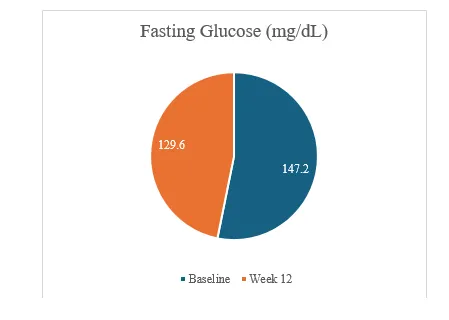
Note. Mean fasting blood glucose decreased from 147.2 mg/dL to 129.6 mg/dL after the 12-week DSMES intervention. This reduction met the project target of ≤130 mg/dL, demonstrating improved glycemic control.
Figure 2
SDSCA Mean Scores
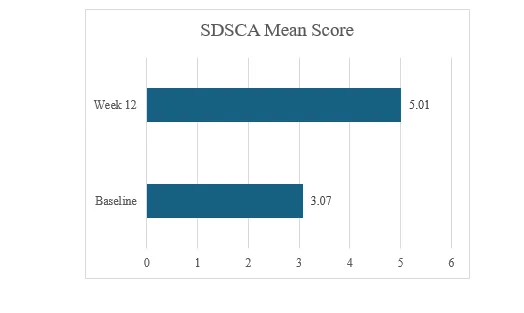
Note. The mean SDSCA score increased from 3.07 to 5.01, indicating improved diabetes self-management behaviors. The findings suggest that participants adopted healthier self-care practices following the intervention.
Figure 3
Self-Efficacy Scores
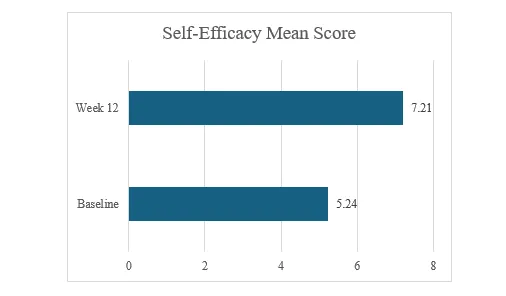
Note. Participants’ mean self-efficacy scores improved from 5.24 to 7.21 after completing the DSMES program. This reflects increased confidence in managing diabetes and adhering to recommended self-care behaviors.
Figure 4
DSMES Attendance
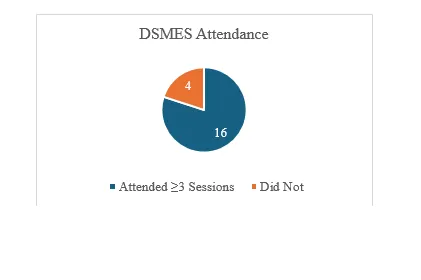
Note. A total of 16 out of 20 participants (80%) attended at least three of the four DSMES sessions. Attendance exceeded the project benchmark of 70%, indicating strong participant engagement.
Figure 5
Documentation Compliance
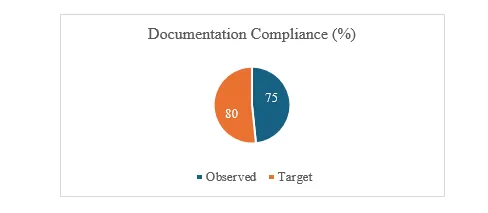
Note. Documentation compliance reached 75%, slightly below the project goal of 80%. Although the target was not fully achieved, overall documentation adherence remained satisfactory.
Figure 6
Nurse Knowledge Scores
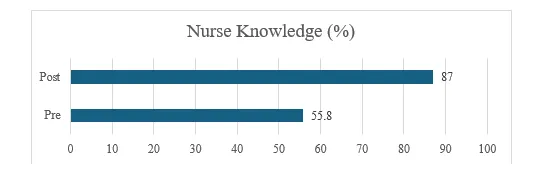
Note. Mean nurse knowledge scores increased from 55.8% before training to 87.0% after training. The 31.2 percentage-point improvement demonstrates the effectiveness of the educational program.
Figure 6
Nurse Competency Test
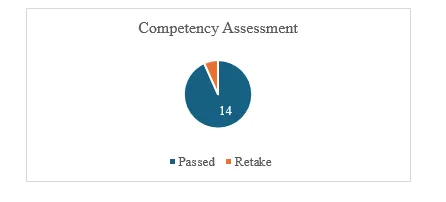
Note. Fourteen of fifteen nurses (93.3%) successfully passed the competency assessment following training. Only one nurse required a retake, indicating a high level of competency achievement.
Project Outcomes
The outcomes of the project have demonstrated that the introduction of ADA-compatible DSMES program resulted in statistically significant alterations in glycemic control and answered the PICOT question. The average fasting blood glucose decrease in participants of the program of 17.6 mg/dL is equal to the pooled average of 23.33 mg/dl of the fasting blood glucose in the 108 randomized clinical trials (choice between DSMES and usual care) included in the systematic review by Romadlon et al. (2024) that examined the interventions of the T2DM population. The project target of site-wide mean fasting glucose less than 130 mg/dL has been achieved in the project and 55 percent of patients with individual records have achieved the same. Nevertheless, those that have a baseline significantly high level, including DM-14 (168 mg/dL) and DM-18 (170 mg/dL) have decreased it by 20 mg/dL but have not been able to achieve the project goal due to ADA recommendations where those with more severe hyperglycemia should have programs extending beyond 12 weeks (ElSayed et al., 2023). This was the only case where Week 12 results of the participant DM-14 were missed because the first session was not attended any longer. The groups of patients who were least attended to the lowest number of the sessions showed the least changes in all the outcome measures thus it is again tested that there is a dose-response relationship between the participation in the DSMES program and the changes in the treatment outcomes. The rate of documentation compliance 75% was below the target of 80%, primarily due to the failure to document all those patients who had less sessions.
Two unforeseen implications revealed themselves in the project application and demonstrated significant points of what needs to be considered in the evaluation and subsequent practice. First, patient attendance seemed to affect the quality of documentation and not necessarily exclusively staff performance. The omission of documentation was purposely concentrated on the four least attended patients; hence, skewed results and underestimation of the general data on documentation consistency were imposed on about 75 percent of the sample. The result indicates that measurement outcomes must consider patient engagement variables to obtain a precise measure of staff compliance with documentation guidelines. Second, telehealth visits as an unanticipated but valuable approach to overcome transportation and scheduling barriers arose. The virtual visit proved to be quite helpful because patients, who could not meet in person, were engaged effectively, which is evidenced by higher accessibility and continuity of care. The results showed that the inclusion of telehealth in DSMES models of delivery can increase participation and should be necessary in the future.
The incidence of missing data was minimal and had only a single participant. Missing data in DM-14 (fasting glucose, SDSCA, self-efficacy at Week 12) occurred because, at the Week 12 posttest, DM-14 dropped out of the project, having missed one session. Given that the withdrawal of DM-14 was a single case, imputation of the data was not conducted, and the data were still missing. The calculation of outcome averages was done using complete case analysis for the rest of the sample size. The process adheres to the guidelines of managing missing data in small-sample quality improvement research done by DNP (Romadlon et al., 2024; Ibrahim et al., 2025). The results of the projects have been harmonious as well as less forceful compared to the body of evidence on the topic of DSMES. The decrease in site-wide fasting glucose of 17.6 mg/dL is consistent in terms of direction with the pooled decrease in the fasting blood glucose of 23.33 ng/dL of Romadlon et al. (2024), in a systematic review and network meta-analysis of 108 randomized controlled trials, which compared that of DSMES and usual care intervention; this is reasonable to state that the lower efficacy was obtained in the process of the project due to the shorter 12-week period of intervention than longer ones, which were observed in the reviewed studies. The similarity to the results reported in Ibrahim et al. (2025), where the researchers reported a similar dose-response between the number of DSMES sessions attended by the participants and their gains in behavioral and glycemic parameters, can also be used to explain the improvement in self-management behavior (an increase in the SDSCA score, 3.07 to 5.01) and the improvement in self-efficacy (5.24 to 7.21). Specifically, the same correlation was disclosed in the present project among participants who attended the least number of sessions.
The benefits of the project included: high rate of staff competency attainment (93.3%), high benchmark attendance of sessions, validated and reliable measurement instruments (SDSCA, self-efficacy scale), and an ADA-approved curriculum that ensures the practice change is evidence-based. The project limitations are: an intervention time of 12 weeks is too short and does not suffice to meet the target of patients with more severe baseline hyperglycemia, a relatively limited number of participants (n=20), and one site; hence, not easy to generalize to the population. Among the opportunities that are unlocked when introducing the project, there are: extension of the time of delivering intervention to patients with increased baseline glucose levels, making the introduction of telehealth delivery a common practice rather than a one-time-only entity, and implementing this protocol with another disease group at this facility. The implementation barriers included: the poor attendance of some of the patients due to their inability to make it to appointments on time (they either had a lack of time or a lack of transport), and increased documentation needed by staff during those weeks.
The above mentioned successes need to be maintained beyond the program end, by making sure that DSMES becomes a regular practice and not a sporadic endeavor. Further training and re-certification of nurses, the process of monitoring of the fasting glucose level and submission of documentation through the existing EHRs regularly on monthly basis and telemedicine as the long-term accommodation will play a crucial role. The results of the program should also be reported to the clinic management and other nursing staff so that the organization can commit to the protocol adequately to be able to apply it to other chronic disease patients in future.
Recommendations
The quality improvement initiative offers insights that are not just restricted to using the protocol on the practice site but may also impact future research and nursing practice. Among recommendations for future practice, the extension of the duration of the intervention for evaluation of the sustainability of fasting glucose and HbA1c over time after implementing the protocol is suggested (Kunina et al., 2022). Moreover, other chronic diseases with the same outpatient could be managed through the DSMES protocol to optimize the impact of this organizational change and resource allocation. Subsequent studies will also require duplication of the protocol across other facilities to be able to research its efficacy among other nursing groups and practice environments.
The analysis of the protocol cost-effectiveness based on the number of visits to emergency departments and hospitalizations decreased due to the standardized follow-up with DSMES must be determined in the future too. Undertaking research in the areas of culturally responsive curriculum development and digital equity will also come in handy in ensuring that gaps in technological application among the underserved communities are filled, similar to the case that is represented in the research project context (Zeng et al., 2025). One of the key methods of glycemic equity is the continuous finances of structured, nursing-based, and diabetes follow-up programs. All these recommendations underscore to the consideration that this project is not a one off intervention, but a platform over which the site may proceed to develop on practice improvement activities. Once the nurses become skilled in providing DSMES to patients based on the ADA recommendations, the practice will be well-prepared to improve its workflow processes, deal with any obstacles encountered in implementing the project, and extend the protocol of action to cover other groups of patients.
The success must be sustained with the additional organizational support, training and glucose data oversight to prevent the possibility of the loss of the achieved positive changes post the project in completion. The need to introduce the DSMES into the usual nursing routine rather than viewing the approach as a one-time exercise will contribute towards the continued move and ensure a demonstration of the long term benefits to the major decision makers. In addition, presenting the findings of this project to the clinic management and other members of personnel in the nursing field may be used as a model of introducing such evidence-based methods of dealing with other chronic diseases.
Summary
This clinic based 12-week ADA-consistent DSMES initiative was led to lower uncontrolled fasting glucose levels in patients with type 2 diabetes and as a result to answer the pertinent research PICOT question. The results of the implementation process can be regarded as clinical significance. There was a reduction in mean fasting glucose levels (147.2 mg/dL to 129.6 mg/dL) and this is statistically significant (p = -17.6) in terms of the reduction in the fasting glucose level in the study, thus meeting the aggregate level objective and is comparable to other DSMES literature (Romadlon et al., 2024). There was positive improvement in self-management practices and self-efficacy measures in nearly all participants and attendance above its benchmark. Besides, 93.3% of nurses developed the ability to use the curriculum. These outcomes reflect the broader value of consistent monitoring throughout the intervention period. The causes were identified and associated with the severity of hyperglycemia at the start, loss of follow-up, and poor attendance to justify when the targets were not met, i.e., 75% documentation and the patients who failed to meet their personal targets.
The combination of the results has more implications than what the numbers represent. The findings suggest that a structured and nurse-led process of DSMES in place can transform informal and ad hoc process of provision of diabetes education to a structured and measurable process. Although the findings can be directly used to enhance the fasting glucose management as part of the project priorities, its findings can also serve as evidence to the assumption that, with a developed curriculum and standardized documentation procedures, nurses can become effective in chronic disease management. The importance of the project is not just limited to the fact that the intervention will fill a practice gap but will actually provide a solution to an unmet need, aligning directly to the mission of the organization, in terms of providing accessible and patient-oriented chronic disease management by replacing the inconsistent provider-led education process with DSMES. Moreover, the project will contribute to the previous initiative taken by the organization in quality enhancement. Though in the past, some efforts had been made to enhance the medication compliance and health counseling, there was no DSMES program; consequently, the efforts were ineffective in ensuring glycemic control. This means that the project contributed to attainment of organizational objectives like population health management, enhancing quality indicators, and reducing the use of emergency departments because of diabetes.
Appendix A
Raw Data
Table 1
Patient Demographic Characteristics and Baseline Fasting Glucose (N = 20)
Patient Code | Age Group | Sex | Insurance Type | T2D Duration (years) | Baseline Fasting Glucose (mg/dL) |
DM-01 | 45-54 | F | Medicaid | 6 | 138 |
DM-02 | 55-64 | M | Medicare | 10 | 142 |
DM-03 | 35-44 | F | Private | 4 | 150 |
DM-04 | 45-54 | M | Medicaid | 7 | 132 |
DM-05 | 55-64 | F | Medicare | 12 | 148 |
DM-06 | 65+ | M | Medicare | 15 | 155 |
DM-07 | 55-64 | F | Private | 9 | 162 |
DM-08 | 35-44 | M | Medicaid | 3 | 128 |
DM-09 | 45-54 | F | Medicaid | 8 | 145 |
DM-10 | 55-64 | M | Private | 11 | 158 |
DM-11 | 35-44 | F | Medicaid | 5 | 136 |
DM-12 | 45-54 | M | Medicare | 9 | 152 |
DM-13 | 55-64 | F | Private | 13 | 160 |
DM-14 | 65+ | M | Medicare | 18 | 168 |
DM-15 | 35-44 | F | Medicaid | 2 | 130 |
DM-16 | 45-54 | M | Private | 6 | 144 |
DM-17 | 55-64 | F | Medicaid | 10 | 154 |
DM-18 | 65+ | M | Medicare | 20 | 170 |
DM-19 | 35-44 | F | Private | 2 | 126 |
DM-20 | 45-54 | M | Medicaid | 7 | 146 |
Note. The identities of all patients have been substituted by de-identification codes that start with DM. The age group, gender, and insurance status were self-reported at the time of enrollment. Duration of T2D and baseline fasting glucose were obtained from the electronic health records during Week 1. T2D = Type 2 diabetes.
Table 2
Patient Fasting Glucose Outcomes Across Measurement Time Points (N = 20)
Patient Code | Baseline FG (mg/dL) | Week 6 FG (mg/dL) | Week 12 FG (mg/dL) | FG Change (mg/dL) | Target Met (<130 mg/dL) |
DM-01 | 138 | 130 | 122 | -16 | Yes |
DM-02 | 142 | 134 | 126 | -16 | Yes |
DM-03 | 150 | 142 | 132 | -18 | No |
DM-04 | 132 | 126 | 118 | -14 | Yes |
DM-05 | 148 | 139 | 129 | -19 | Yes |
DM-06 | 155 | 146 | 136 | -19 | No |
DM-07 | 162 | 152 | 142 | -20 | No |
DM-08 | 128 | 122 | 114 | -14 | Yes |
DM-09 | 145 | 137 | 127 | -18 | Yes |
DM-10 | 158 | 148 | 138 | -20 | No |
DM-11 | 136 | 128 | 120 | -16 | Yes |
DM-12 | 152 | 143 | 133 | -19 | No |
DM-13 | 160 | 150 | 140 | -20 | No |
DM-14 | 168 | 158 | 148 | -20 | No |
DM-15 | 130 | 124 | 116 | -14 | Yes |
DM-16 | 144 | 136 | 126 | -18 | Yes |
DM-17 | 154 | 145 | 135 | -19 | No |
DM-18 | 170 | 160 | 150 | -20 | No |
DM-19 | 126 | 120 | 112 | -14 | Yes |
DM-20 | 146 | 138 | 128 | -18 | Yes |
Note. Fasting Glucose (FG) measures were collected using point-of-care testing, which was entered into the electronic health record system at Baseline (week 1), week 6, and week 12. The change in fasting glucose is computed by subtracting the baseline measure from the Week 12 measure. The definition of target attainment was having fasting glucose levels less than 130 mg/dL.
Table 3
Patient DSMES Session Attendance and Completion Data (N = 20)
Patient Code | Sessions Completed (of 4) | Sessions Missed | Telehealth Sessions Used | Completion Rate (%) |
DM-01 | 4 | 0 | 1 | 100 |
DM-02 | 4 | 0 | 0 | 100 |
DM-03 | 3 | 1 | 1 | 75 |
DM-04 | 4 | 0 | 2 | 100 |
DM-05 | 3 | 1 | 0 | 75 |
DM-06 | 2 | 2 | 1 | 50 |
DM-07 | 4 | 0 | 1 | 100 |
DM-08 | 4 | 0 | 0 | 100 |
DM-09 | 3 | 1 | 1 | 75 |
DM-10 | 4 | 0 | 1 | 100 |
DM-11 | 4 | 0 | 0 | 100 |
DM-12 | 3 | 1 | 1 | 75 |
DM-13 | 2 | 2 | 0 | 50 |
DM-14 | 1 | 3 | 1 | 25 |
DM-15 | 4 | 0 | 0 | 100 |
DM-16 | 3 | 1 | 1 | 75 |
DM-17 | 4 | 0 | 0 | 100 |
DM-18 | 2 | 2 | 2 | 50 |
DM-19 | 4 | 0 | 0 | 100 |
DM-20 | 3 | 1 | 1 | 75 |
Note. The curriculum for the DSMES included four sessions per week carried out via the ADA Life with Diabetes Curriculum in the initial four weeks of its execution. Sessions using telehealth were provided to patients facing difficulties in commuting or scheduling the sessions. Completion Rate = (Number of sessions attended / 4) x 100. Process Benchmark for the Project was that 70 percent of the participants should attend at least three out of the four sessions; DM-06, DM-13, DM-14 and DM-18 failed to achieve this benchmark.
Table 4
Patient Self-Management Behavior (SDSCA) and Self-Efficacy Scores (N = 20)
Patient Code | Pre-SDSCA (0-7) | Post-SDSCA (0-7) | SDSCA Change | Pre Self-Efficacy (0-10) | Post Self-Efficacy (0-10) | Self-Efficacy Change |
DM-01 | 3.2 | 5.4 | +2.2 | 5.5 | 7.8 | +2.3 |
DM-02 | 3.0 | 5.0 | +2.0 | 5.2 | 7.5 | +2.3 |
DM-03 | 3.4 | 4.8 | +1.4 | 5.0 | 6.9 | +1.9 |
DM-04 | 2.8 | 5.6 | +2.8 | 5.8 | 8.0 | +2.2 |
DM-05 | 3.1 | 4.9 | +1.8 | 5.1 | 7.0 | +1.9 |
DM-06 | 2.9 | 3.8 | +0.9 | 4.9 | 5.8 | +0.9 |
DM-07 | 3.3 | 5.2 | +1.9 | 5.3 | 7.4 | +2.1 |
DM-08 | 2.7 | 5.5 | +2.8 | 5.6 | 7.9 | +2.3 |
DM-09 | 3.0 | 4.9 | +1.9 | 5.0 | 7.1 | +2.1 |
DM-10 | 3.2 | 5.3 | +2.1 | 5.4 | 7.6 | +2.2 |
DM-11 | 2.9 | 5.4 | +2.5 | 5.5 | 7.7 | +2.2 |
DM-12 | 3.1 | 4.7 | +1.6 | 5.0 | 6.8 | +1.8 |
DM-13 | 3.0 | 3.7 | +0.7 | 4.8 | 5.5 | +0.7 |
DM-14 | 2.8 | N/A | N/A | 4.9 | N/A | N/A |
DM-15 | 3.3 | 5.7 | +2.4 | 5.6 | 8.0 | +2.4 |
DM-16 | 3.0 | 5.0 | +2.0 | 5.1 | 7.2 | +2.1 |
DM-17 | 3.2 | 5.4 | +2.2 | 5.3 | 7.6 | +2.3 |
DM-18 | 2.9 | 3.9 | +1.0 | 4.8 | 5.7 | +0.9 |
DM-19 | 3.4 | 5.8 | +2.4 | 5.7 | 8.1 | +2.4 |
DM-20 | 3.1 | 5.1 | +2.0 | 5.2 | 7.3 | +2.1 |
Note. Self-management behaviors were assessed with the Summary of Diabetes Self-Care Activities (SDSCA), which is a valid measurement tool scored on a 0-7 scale corresponding to the number of days per week of engaging in self-care behaviors. Self-efficacy was assessed with a diabetes self-efficacy scale that is a valid measurement tool scored on a 0-10 scale. Both measurement tools were taken at baseline (Week 1) and Week 12. Participant DM-14 was unable to complete Week 1 and thus is marked N/A for all post-intervention measures.
Table 5
DSMES Documentation Compliance Audit (N = 20)
Patient Code | Goal-Setting Documented | Glucose Monitoring Education Documented | Follow-Up Plan Documented | SMART Goal Recorded | All Elements Complete |
DM-01 | Yes | Yes | Yes | Yes | Yes |
DM-02 | Yes | Yes | Yes | Yes | Yes |
DM-03 | Yes | Yes | Yes | No | No |
DM-04 | Yes | Yes | Yes | Yes | Yes |
DM-05 | Yes | Yes | Yes | Yes | Yes |
DM-06 | Yes | No | Yes | No | No |
DM-07 | Yes | Yes | Yes | Yes | Yes |
DM-08 | Yes | Yes | Yes | Yes | Yes |
DM-09 | Yes | Yes | Yes | Yes | Yes |
DM-10 | Yes | Yes | Yes | Yes | Yes |
DM-11 | Yes | Yes | Yes | Yes | Yes |
DM-12 | Yes | Yes | Yes | Yes | Yes |
DM-13 | Partial | Yes | No | No | No |
DM-14 | No | No | No | No | No |
DM-15 | Yes | Yes | Yes | Yes | Yes |
DM-16 | Yes | Yes | Yes | Yes | Yes |
DM-17 | Yes | Yes | Yes | Yes | Yes |
DM-18 | Yes | Partial | No | No | No |
DM-19 | Yes | Yes | Yes | Yes | Yes |
DM-20 | Yes | Yes | Yes | Yes | Yes |
Note. Compliance for documentation was measured using a weekly audit of the DSMES EHR template. Partial = reference to an element was present but documentation not complete. All Elements Complete = documentation of all four elements is complete. Documentation compliance target for the project was 80% or greater.
Table 6
Nursing Staff DSMES Training Knowledge and Competency Assessment Results (N = 15)
Staff Code | Role | Pre-Training Knowledge (%) | Post-Training Knowledge (%) | Knowledge Change | Competency Assessment | DSMES Sessions Delivered |
ST-01 | RN | 54 | 88 | +34 | Pass | 4 |
ST-02 | RN | 58 | 90 | +32 | Pass | 5 |
ST-03 | RN | 50 | 82 | +32 | Pass | 3 |
ST-04 | RN | 56 | 86 | +30 | Pass | 4 |
ST-05 | RN | 48 | 76 | +28 | Fail (retake) | 2 |
ST-06 | RN | 60 | 92 | +32 | Pass | 5 |
ST-07 | LPN | 52 | 84 | +32 | Pass | 3 |
ST-08 | LPN | 55 | 87 | +32 | Pass | 4 |
ST-09 | LPN | 50 | 80 | +30 | Pass | 3 |
ST-10 | NP | 62 | 94 | +32 | Pass | 5 |
ST-11 | NP | 58 | 90 | +32 | Pass | 4 |
ST-12 | RN | 53 | 85 | +32 | Pass | 4 |
ST-13 | RN | 57 | 89 | +32 | Pass | 5 |
ST-14 | Diabetes Educator | 70 | 96 | +26 | Pass | 6 |
ST-15 | RN | 54 | 86 | +32 | Pass | 4 |
Note. The knowledge test was performed through a pre- and post-training structured assessment in line with the curriculum of DSMES training which is ADA accredited. The status of competency assessment depends on the standard return demonstration and documentation review before independent administration of DSMES sessions; ST-05 failed to clear the first competency assessment. RN=registered nurse; LPN=licensed practical nurse; NP=nurse practitioner.
Table 7
Summary Statistics: Project Implementation Outcomes
Outcome Metric | Value |
Primary Outcome: Fasting Glucose Control | |
Total adult patients with Type 2 diabetes enrolled (N) | 45 |
Patient data sample for individual-level tables (n) | 20 |
Baseline fasting glucose — site-wide average (mg/dL) | 145 |
Mean baseline fasting glucose — enrolled sample (mg/dL) | 147.2 |
Mean fasting glucose at Week 12 — enrolled sample (mg/dL) | 129.6 |
Mean fasting glucose reduction (mg/dL) | -17.6 |
Patients achieving FG <130 mg/dL at Week 12, n (%) | 11 (55%) |
Project target fasting glucose (mean) | <130 mg/dL (met) |
Secondary Outcome: Self-Management Behaviors and Self-Efficacy | |
Mean SDSCA score, baseline (0-7 scale) | 3.07 |
Mean SDSCA score, Week 12 (0-7 scale, n = 19) | 5.01 |
Mean self-efficacy score, baseline (0-10 scale) | 5.24 |
Mean self-efficacy score, Week 12 (0-10 scale, n = 19) | 7.21 |
Process Measures | |
Patients completing ≥ 3 of 4 DSMES sessions, n (%) | 16 (80%) |
Patient encounters with complete DSMES documentation, n (%) | 15 (75%) |
Project documentation compliance target | ≥ 80% |
Staff Outcome: DSMES Training and Competency | |
Nursing staff trained and assessed (N) | 15 |
Mean pre-training knowledge score (%) | 55.8 |
Mean post-training knowledge score (%) | 87.0 |
Mean knowledge score improvement (percentage points) | +31.2 |
Staff passing competency assessment, n (%) | 14 (93.3%) |
Note. Summary statistics are obtained from EHRs, validated measures for self-management and self-efficacy, attendance records, chart audit, and staff knowledge test results during the 12-week implementation period. The entire cohort of 45 adults diagnosed with Type 2 diabetes is the main outcome population; the subsample of 20 participants provides individual level data as shown in Tables 1 to 5 below. FG = fasting glucose; SDSCA = Summary of Diabetes Self-Care Activities.
Appendix B
ADA Life with Diabetes